Pressure
Pressure Switches
Pressure, vacuum and differential-pressure switches, including explosion-proof models.
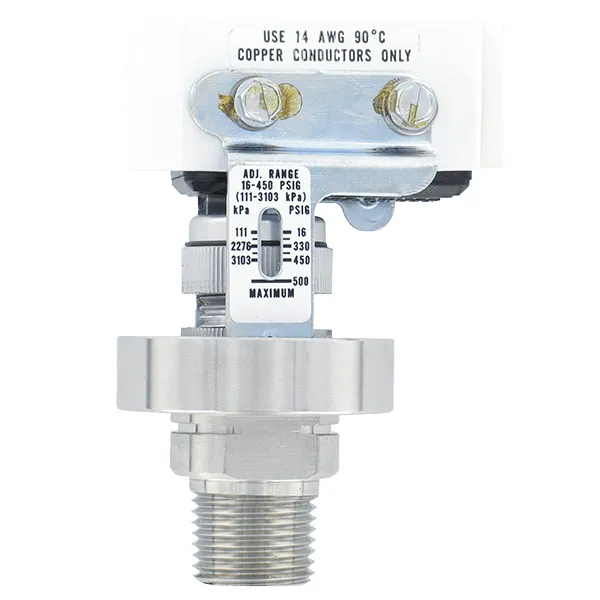
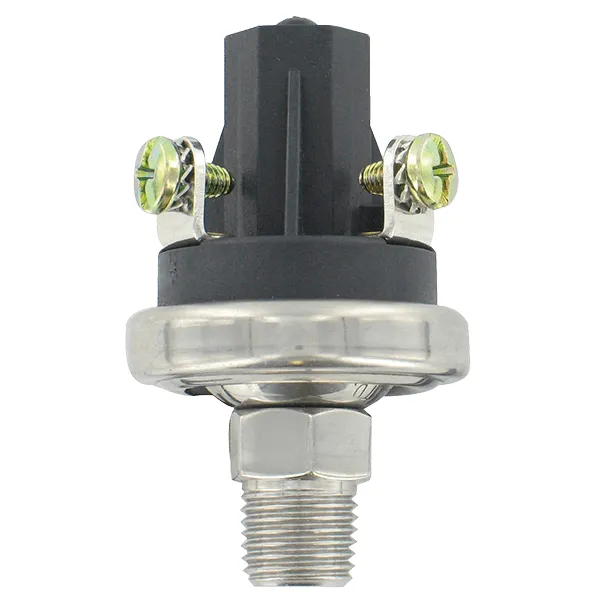
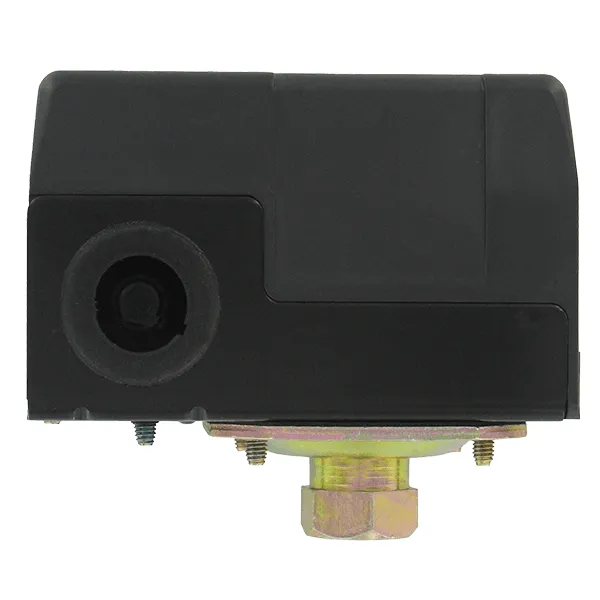
Pressure switches open or close a contact at a set pressure, for alarms, trips and pump or compressor control without a control system in the loop. Differential pressure switches do the same for the difference between two pressures: across a filter, pump or fan, or between two rooms.
Choosing a pressure switch
- Process and hazardous areas (SOR): piston and diaphragm sensors with hermetically sealed switching elements, in weatherproof or explosion-proof housings, many SIL-capable. Ranges run from 1 bar vacuum to 480 bar, and to 10,000 psi with Bourdon tube switches.
- Dead band: a narrow dead band suits alarms and trips. A wide, adjustable dead band, as on the SOR V3, suits pump and compressor control because it reduces on/off cycling.
- Two set points in one housing: the SOR Dual Hi-Lo signals both minimum and maximum pressure.
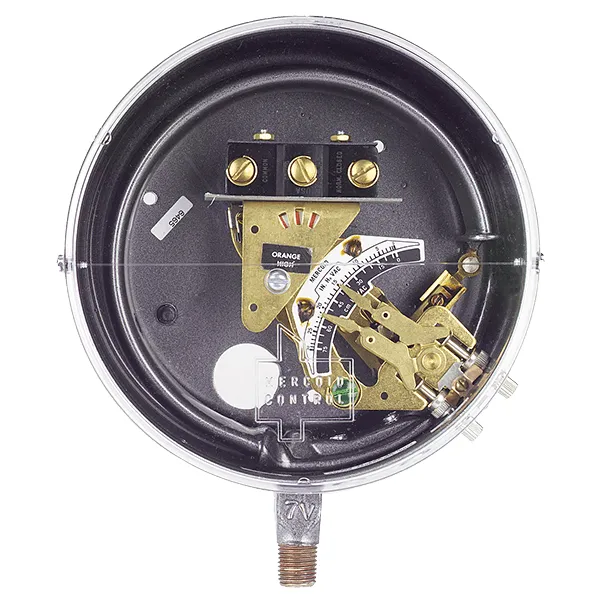
- Process differential pressure: SOR differential pressure switches, including high static pressure designs and low-range models for clean air and gas.
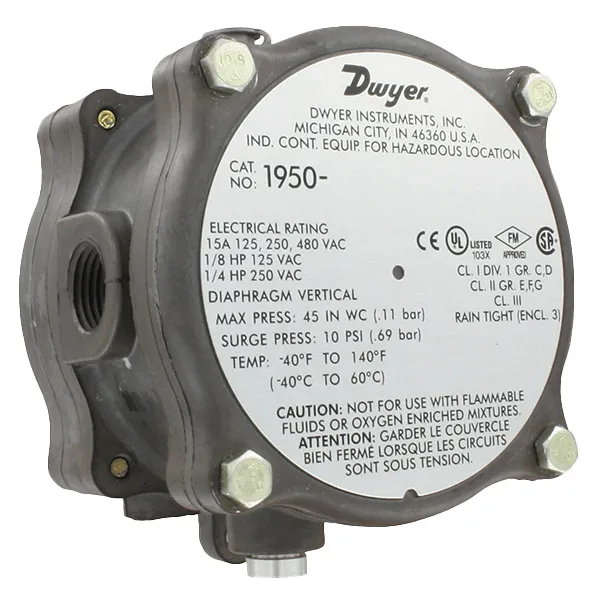
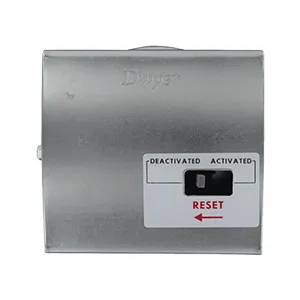
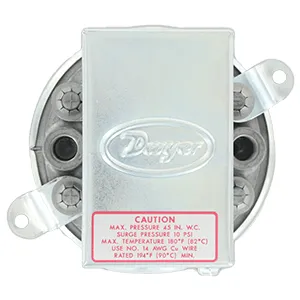
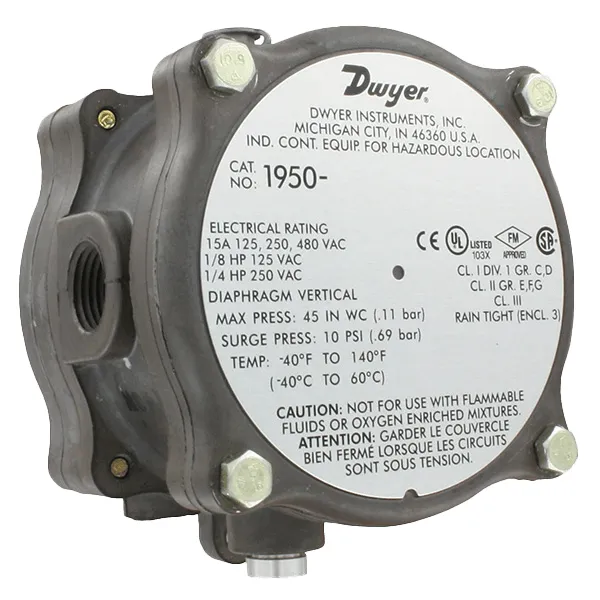
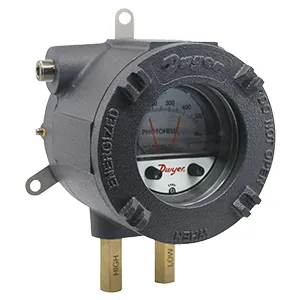
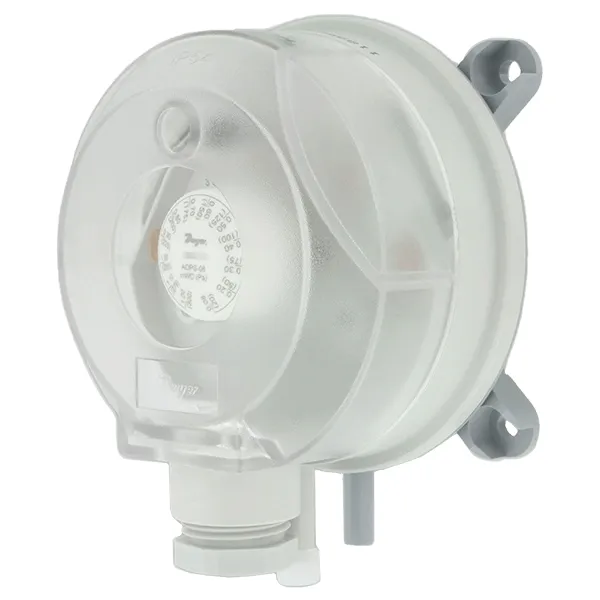
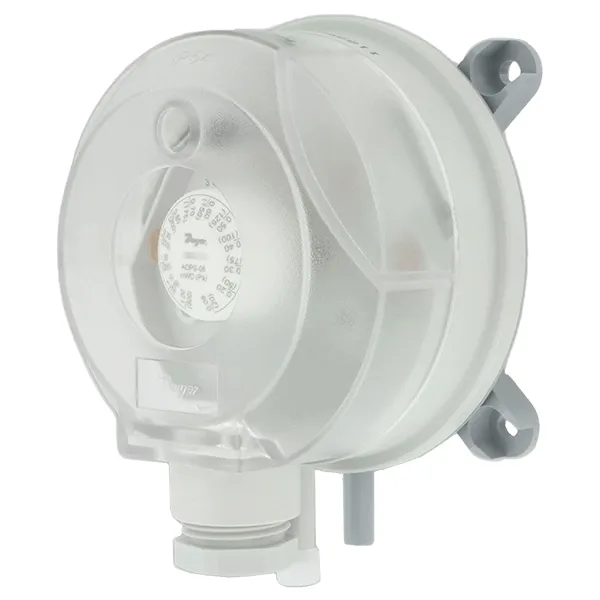
- Low differential pressure for HVAC (DwyerOmega): airflow, filter and room-pressure switches such as the Dwyer 1900 and ADPS, from about 0.07 in wc, and the Photohelic gauge with built-in set points.
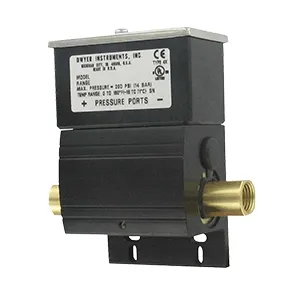
- Wet-to-wet differential pressure (Dwyer DX): across pumps, strainers and chillers in water systems.
- Pump and OEM switches (DwyerOmega): compact switches for pumps, motors and packaged equipment.
What to tell us
- The medium, normal and maximum pressure, and (for differential pressure) the static line pressure
- The set point, and whether it trips on rising or falling pressure
- Contacts: SPDT or DPDT, and the electrical rating
- Process connection and wetted materials
- Enclosure, area classification and any SIL requirement
Every switch is built to order to these details. See pressure switches placed on pumps and compressors, cleanrooms, hydronic systems and fired heaters and furnaces.