Level
Level Switches
High, low and pump-control level switches for liquids and bulk solids.
Point level switches change state at a set level: high and high-high alarms to prevent overfilling, low-level alarms to stop pumps running dry, and on/off pump control. Because they act on their own, they are often the independent protection layer behind a continuous level transmitter.
Choosing a level switch
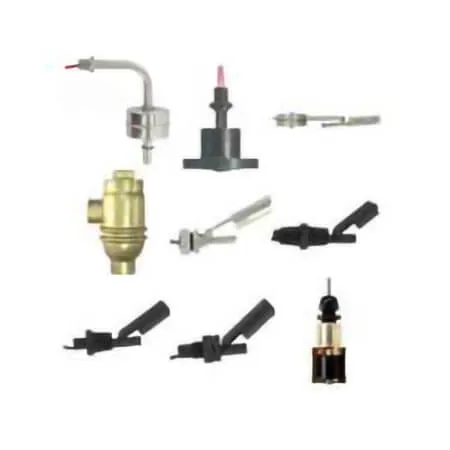
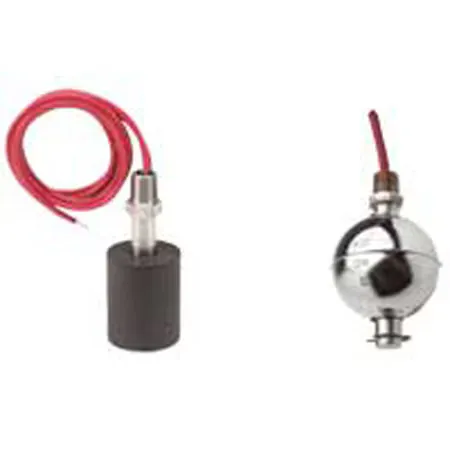
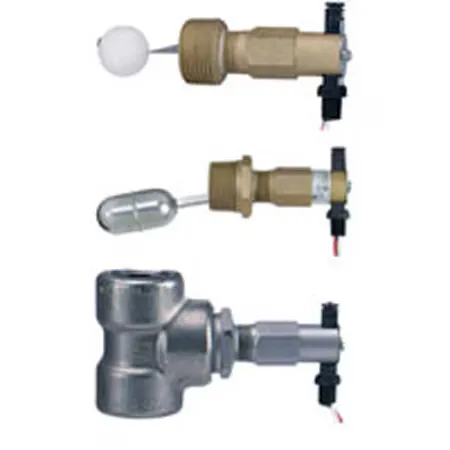
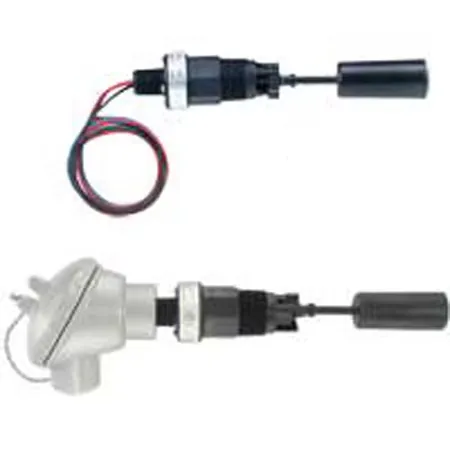
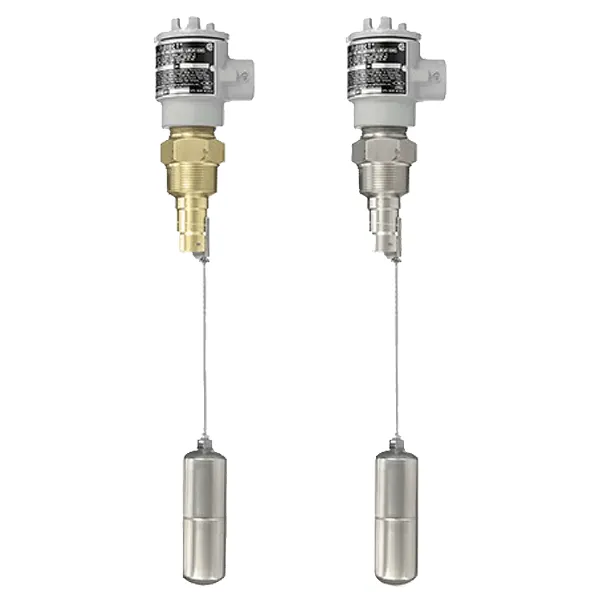
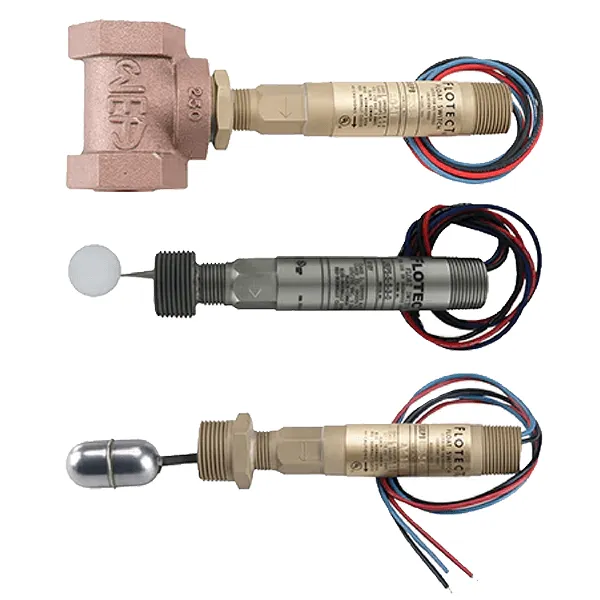
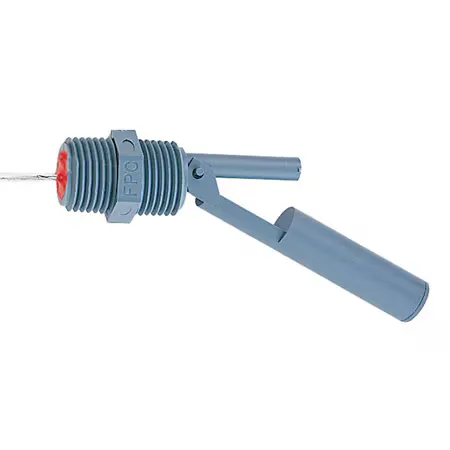
- Float switches (SOR, DwyerOmega): simple and reliable for clean liquids, from the compact Dwyer F6/F7 vertical switches to heavy-duty process switches. They can be mounted on top of the vessel, on its side or in an external chamber that can be isolated for maintenance. SOR’s chamber switches handle up to 345 bar and 649 °C, and its steam trap level switches suit condensate duty.
- Displacer switches (SOR): up to four set points from one instrument, for large tanks and deep sumps.
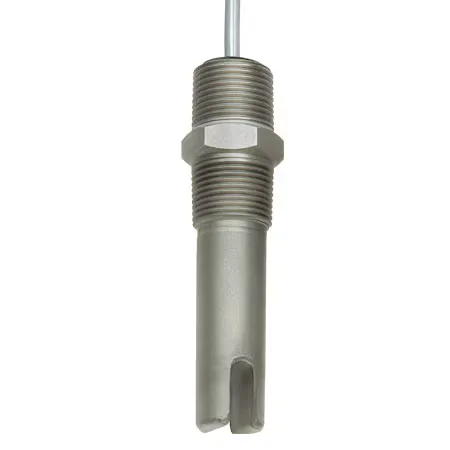
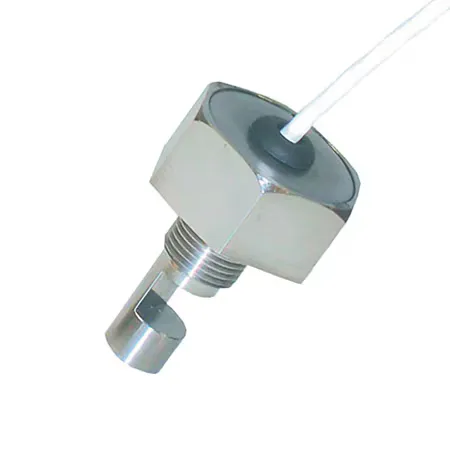
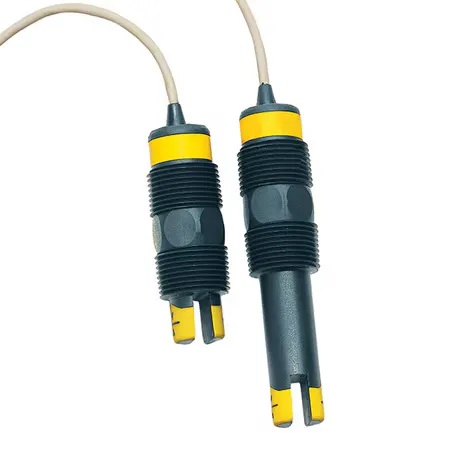
- Ultrasonic gap switches (SOR, Omega): no moving parts and no calibration. The SOR 722 gives two set points and can test itself with no liquid present.
- Thermal dispersion (FCI FLT93): no moving parts, for level and interface detection in demanding process conditions.
- Switches on magnetic level gauges (ABB LMS100/LMS200): clamp onto a gauge you already have, with no extra vessel connection.
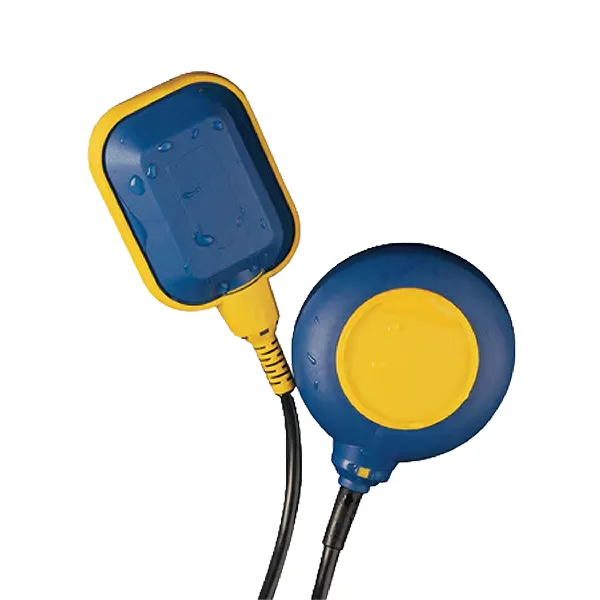
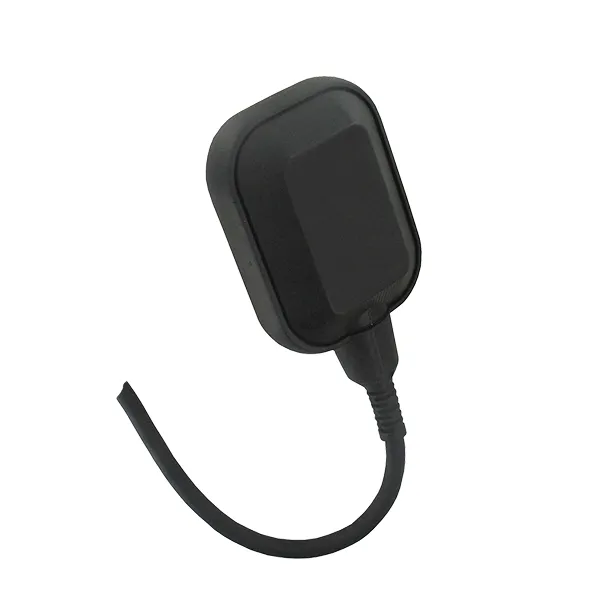
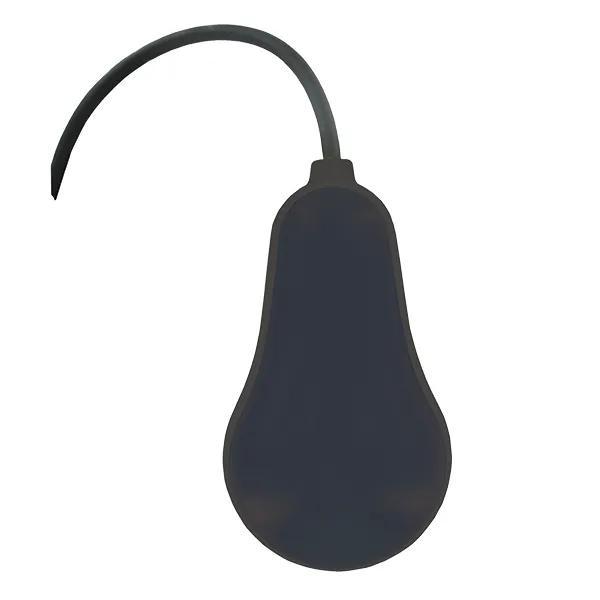
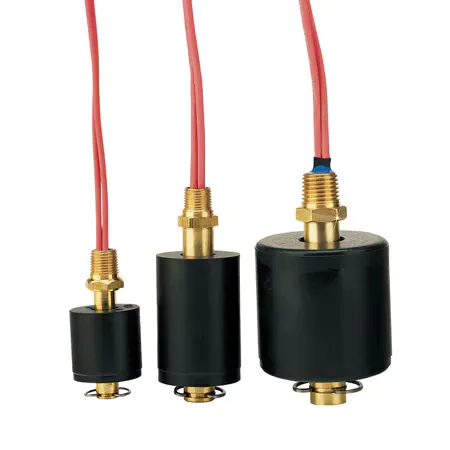
- Cable and pump-control floats (DwyerOmega): economical high/low control for sumps, lift stations and water tanks.
- Pneumatic switches (SOR 1530): operate a pneumatic valve directly, with no electrical supply.
What to tell us
- The liquid, its density, and whether it is clean, viscous or foaming
- Operating pressure and temperature
- Mounting (top, side or chamber) and the connection size
- The duty: alarm, pump control or a SIL-rated trip
- Area classification and approvals
All switches are built to order to these details. See level switches placed on lift stations, storage tanks and loading, distillation columns and process vessels and steam and power boilers.